Skip to content
-
Subscribe to our newsletter & never miss our best posts. Subscribe Now!
JKSSB-CivilsCentral JKSSB-CivilsCentral

Prep.Practice.Prevail.

JKSSB-CivilsCentral JKSSB-CivilsCentral

Prep.Practice.Prevail.

  • Home
  • Premium J&K History Series
    • Prehistoric & Early J&K
    • Ancient J&K
    • Early Medieval J&K
    • Medieval J&K
    • Mughal, Afghan & Sikh J&K
    • Dogra State & Princely J&K
    • 1947, Accession & Constitutional History
    • Political Awakening & Modern J&K
    • Post-1947 J&K
  • JKSSB
    • JE Civil
  • Contact Us
  • About us
  • Home
  • Premium J&K History Series
    • Prehistoric & Early J&K
    • Ancient J&K
    • Early Medieval J&K
    • Medieval J&K
    • Mughal, Afghan & Sikh J&K
    • Dogra State & Princely J&K
    • 1947, Accession & Constitutional History
    • Political Awakening & Modern J&K
    • Post-1947 J&K
  • JKSSB
    • JE Civil
  • Contact Us
  • About us
  • https://www.facebook.com/
  • https://twitter.com/
  • https://t.me/
  • https://www.instagram.com/
  • https://youtube.com/
JKSSB-CivilsCentral JKSSB-CivilsCentral

Prep.Practice.Prevail.

JKSSB-CivilsCentral JKSSB-CivilsCentral

Prep.Practice.Prevail.

  • Home
  • Premium J&K History Series
    • Prehistoric & Early J&K
    • Ancient J&K
    • Early Medieval J&K
    • Medieval J&K
    • Mughal, Afghan & Sikh J&K
    • Dogra State & Princely J&K
    • 1947, Accession & Constitutional History
    • Political Awakening & Modern J&K
    • Post-1947 J&K
  • JKSSB
    • JE Civil
  • Contact Us
  • About us
  • Home
  • Premium J&K History Series
    • Prehistoric & Early J&K
    • Ancient J&K
    • Early Medieval J&K
    • Medieval J&K
    • Mughal, Afghan & Sikh J&K
    • Dogra State & Princely J&K
    • 1947, Accession & Constitutional History
    • Political Awakening & Modern J&K
    • Post-1947 J&K
  • JKSSB
    • JE Civil
  • Contact Us
  • About us
  • https://www.facebook.com/
  • https://twitter.com/
  • https://t.me/
  • https://www.instagram.com/
  • https://youtube.com/
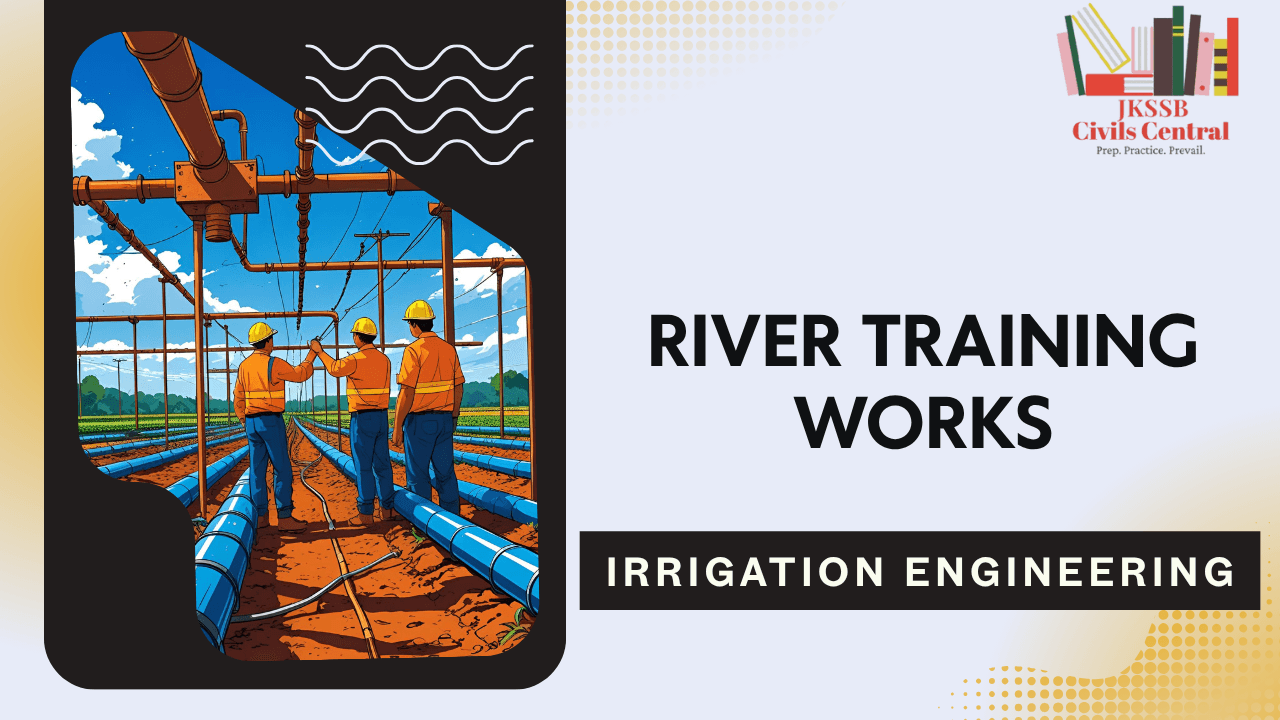
River training structures like embankments and spurs constructed along a river to control flow and prevent erosion
JE Civil

River Training Works in Irrigation Engineering – Detailed Notes for JKSSB Aspirants

By Sahil Digra
0

🔷 What Are River Training Works?

River training works are civil engineering structures or methods implemented along rivers to:

  • Control their natural behavior
  • Prevent loss of life and property
  • Maintain channel stability
  • Facilitate irrigation and navigation

Rivers are dynamic and constantly changing their course due to erosion, deposition, and flooding. Especially in alluvial plains like those in Jammu & Kashmir, river behavior is unpredictable and dangerous during monsoons. Hence, these training works become vital.


🔷 Why River Training Is Important?

Understanding the importance of river training is crucial for both field engineers and JKSSB aspirants:

✅ 1. Protection from Floods

River training confines the river within defined banks, thus preventing flood waters from spreading and damaging crops, infrastructure, and homes.

✅ 2. Preserving Agricultural Land

River erosion often eats into fertile farmland. Proper river training stops lateral erosion, thus preserving valuable topsoil and arable land.

✅ 3. Stabilizing Canal Intake Points

Rivers are often diverted into canals for irrigation. If the river shifts, it can render the canal headworks useless. River training keeps the river aligned with canal intake.

✅ 4. Ensuring Navigability

In navigable rivers, maintaining a deep, straight, and stable channel is essential. River training helps maintain required depth and avoids shoals (shallow patches).


🧱 Detailed Types of River Training Works

Let’s expand the most common types:


🔹 1. Guide Banks (Levees or Embankments)

Function: Guide flood waters safely past structures like bridges or canal headworks.

Features:

  • Built on either side of a river approaching a structure
  • Curved at the ends to reduce eddy currents
  • Typically made from earth, stone pitching, and concrete aprons

Used in: Jhelum River near Asham Barrage in Kashmir


🔹 2. Groynes (Spurs)

Function: Alter the direction of flow, reduce velocity near banks, and cause silt deposition in selected areas.

Types:

  • Attracting Groynes – Bend flow toward the bank (used upstream of headworks)
  • Repelling Groynes – Push flow away from the bank (used in erosion-prone areas)
  • Deflecting Groynes – Deflect flow at an angle

Materials Used:

  • Boulder aprons
  • Timber piles
  • Gabion mattresses
  • Sand-filled geotextile tubes

Design Tip: Length usually about one-fifth to one-fourth of river width.


🔹 3. Marginal Embankments (Flood Embankments)

Function: Built parallel but at a distance from riverbanks to:

  • Prevent overbank flooding
  • Protect towns and farmlands

Common in: Floodplains of Tawi and Chenab rivers


🔹 4. Pitching and Revetments

Function: Prevent erosion by protecting embankment faces.

Construction:

  • Stone or concrete blocks placed over a filter layer (sand/geo-textile)
  • Used along both training walls and guide banks

Design Considerations:

  • Velocity of flow
  • Angle of slope
  • Depth of scour

🔹 5. Launch Aprons

Function: Protect the toe of the embankment from scouring during floods.

Construction:

  • Loose stone boulders or gabions laid at riverbed near foot of embankment
  • Designed to “launch” or roll into the scoured area when needed

🔹 6. Training Walls

Used to narrow or guide river flow especially near bridges or urban areas.

Made of: RCC, stone masonry, or gabions

Advantage: Precise control over channel alignment


🔹 7. Cut-Offs and Dykes

  • Cut-offs: Artificial channels to divert excess flow
  • Dykes: Low earthen barriers to deflect excess water away from vulnerable areas

🧮 Design Factors to Consider in River Training

  1. Hydraulic Data:
    • Maximum discharge (Q)
    • Flow velocity (V)
    • Water surface slope
  2. Soil Conditions:
    • Erodibility of soil
    • Shear strength and particle size
  3. Sediment Load:
    • Suspended vs bed load
    • Tendency to deposit or scour
  4. Scour Depth Estimation:
    • Use Lacey’s or empirical formulas
    • Provide safety margins for design

📍 River Training Practices in Jammu & Kashmir

Several major rivers like Jhelum, Chenab, Tawi, and Sindh frequently change course and flood nearby towns. The Irrigation and Flood Control Department (IFCD) undertakes regular river training works:

  • Embankment strengthening in Srinagar to protect Dal and Jhelum embankments
  • Spur construction along Chenab in Akhnoor to reduce erosion
  • Revetment works near Pulwama and Anantnag for land protection

These real-world applications give practical context to JKSSB syllabus content.


🧠 Tips for JKSSB Aspirants

  • Revise types with diagrams and real-life examples
  • Study Lacey’s regime theory (for designing channels)
  • Focus on scour depth calculation, flow control methods, and materials used
  • Prepare short notes on groyne types and uses

📘 Conclusion

River training works are indispensable for managing river dynamics in irrigation, flood control, and navigation. They are especially critical in a geographically sensitive region like Jammu & Kashmir, making this topic highly relevant for JKSSB Civil Engineering exams. Understanding their types, applications, and design principles enhances both theoretical knowledge and practical awareness.

About The Author

Sahil Digra

See author's posts

Tags:

Civil Engineering JKSSB Notesflood control measures jkssbguide banks in river trainingIrrigation Engineering JKSSBriver control structuresriver training for jkssbriver training works in irrigation engineeringspurs and groynestypes of river training works
Author

Sahil Digra

Follow Me
Other Articles
Various hydraulic structures including dam, canal headworks, and spillway used in irrigation systems
Previous

Hydraulic Structures in Irrigation Engineering – A Detailed Guide for JKSSB Aspirants

Agricultural field affected by water logging with standing water and poor crop growth
Next

Water Logging in Irrigation Engineering – Detailed Notes for JKSSB Aspirants

No Comment! Be the first one.

    Leave a Reply Cancel reply

    Your email address will not be published. Required fields are marked *

    Recent Posts

    • Sultanate Administration and Economy in Medieval Kashmir
    • Shah Mir Dynasty: Foundation, Major Sultans and Political Consolidation
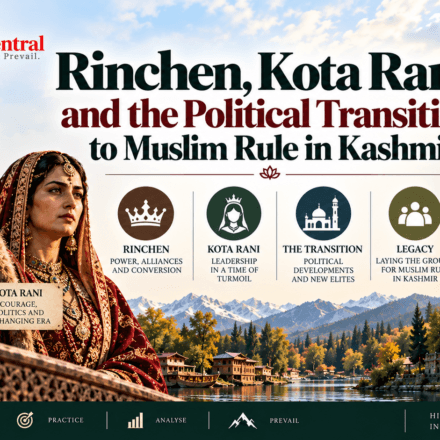
    • Rinchen, Kota Rani and the Political Transition to Muslim Rule in Kashmir
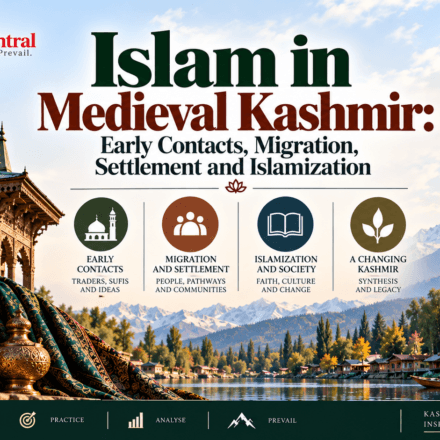
    • Islam in Medieval Kashmir: Early Contacts, Migration, Settlement and Islamization
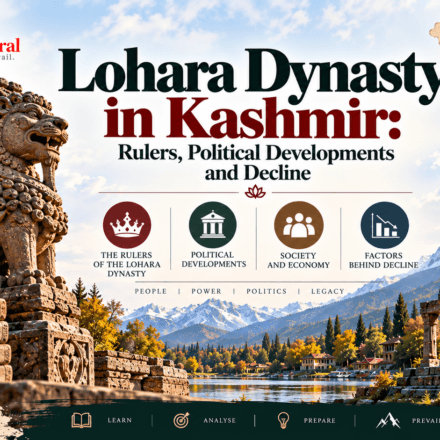
    • Lohara Dynasty in Kashmir: Rulers, Political Developments and Decline
    jkssb.Civilscentral.com
    • Sultanate Administration and Economy in Medieval Kashmir
    • Shah Mir Dynasty: Foundation, Major Sultans and Political Consolidation
    • Rinchen, Kota Rani and the Political Transition to Muslim Rule in Kashmir
    • Islam in Medieval Kashmir: Early Contacts, Migration, Settlement and Islamization
    • Lohara Dynasty in Kashmir: Rulers, Political Developments and Decline

    You May Have Missed

    Sultanate Administration and Economy in Medieval Kashmir
    Medieval J&K Premium J&K History Series

    Sultanate Administration and Economy in Medieval Kashmir

    Rohit Thapa
    By Rohit Thapa
    September 24, 2026
    Shah Mir Dynasty Foundation, Major Sultans and Political Consolidation
    Medieval J&K Premium J&K History Series

    Shah Mir Dynasty: Foundation, Major Sultans and Political Consolidation

    Rohit Thapa
    By Rohit Thapa
    September 22, 2026
    Rinchen, Kota Rani and the Political Transition to Muslim Rule in Kashmir
    Medieval J&K Premium J&K History Series

    Rinchen, Kota Rani and the Political Transition to Muslim Rule in Kashmir

    Rohit Thapa
    By Rohit Thapa
    September 22, 2026
    Islam in Medieval Kashmir Early Contacts, Migration, Settlement and Islamization
    Early Medieval J&K Premium J&K History Series

    Islam in Medieval Kashmir: Early Contacts, Migration, Settlement and Islamization

    Rohit Thapa
    By Rohit Thapa
    September 22, 2026
    Lohara Dynasty in Kashmir Rulers, Political Developments and Decline
    Early Medieval J&K Premium J&K History Series

    Lohara Dynasty in Kashmir: Rulers, Political Developments and Decline

    Rohit Thapa
    By Rohit Thapa
    September 22, 2026
    Queen Didda and the Lohara Dynasty Power, Politics and the Transition to Lohara Rule
    Early Medieval J&K Premium J&K History Series

    Queen Didda and the Lohara Dynasty: Power, Politics and the Transition to Lohara Rule

    Rohit Thapa
    By Rohit Thapa
    September 22, 2026
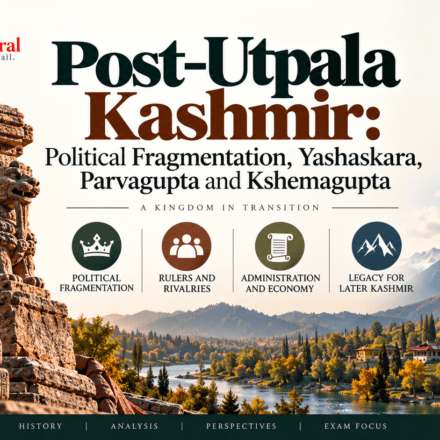
    Post-Utpala Kashmir Political Fragmentation, Yashaskara, Parvagupta and Kshemagupta
    Early Medieval J&K Premium J&K History Series

    Post-Utpala Kashmir: Political Fragmentation, Yashaskara, Parvagupta and Kshemagupta

    Rohit Thapa
    By Rohit Thapa
    September 22, 2026
    Shankaravarman and the Later Utpala Period Expansion, Fiscal Pressure and Political Instability
    Early Medieval J&K Premium J&K History Series

    Shankaravarman and the Later Utpala Period: Expansion, Fiscal Pressure and Political Instability

    Rohit Thapa
    By Rohit Thapa
    September 19, 2026
    Utpala Dynasty in Kashmir Avantivarman, Suyya and the Agrarian-Hydraulic Transformation
    Early Medieval J&K Premium J&K History Series

    Utpala Dynasty in Kashmir: Avantivarman, Suyya and the Agrarian-Hydraulic Transformation

    Rohit Thapa
    By Rohit Thapa
    September 18, 2026
    • Sultanate Administration and Economy in Medieval Kashmir
    • Shah Mir Dynasty: Foundation, Major Sultans and Political Consolidation
    • Rinchen, Kota Rani and the Political Transition to Muslim Rule in Kashmir
    • Islam in Medieval Kashmir: Early Contacts, Migration, Settlement and Islamization
    • Lohara Dynasty in Kashmir: Rulers, Political Developments and Decline
    • About us
    • Candidate Dashboard
    • Contact Us
    • Disclaimer
    • Privacy Policy
    • Terms and Conditions
    • Typing Practice
    Copyright 2026 — JKSSB-CivilsCentral. All rights reserved.