Skip to content
-
Subscribe to our newsletter & never miss our best posts. Subscribe Now!
JKSSB-CivilsCentral JKSSB-CivilsCentral

Prep.Practice.Prevail.

JKSSB-CivilsCentral JKSSB-CivilsCentral

Prep.Practice.Prevail.

  • Home
  • Premium J&K History Series
    • Prehistoric & Early J&K
    • Ancient J&K
    • Early Medieval J&K
    • Medieval J&K
    • Mughal, Afghan & Sikh J&K
    • Dogra State & Princely J&K
    • 1947, Accession & Constitutional History
    • Political Awakening & Modern J&K
    • Post-1947 J&K
  • JKSSB
    • JE Civil
  • Contact Us
  • About us
  • Home
  • Premium J&K History Series
    • Prehistoric & Early J&K
    • Ancient J&K
    • Early Medieval J&K
    • Medieval J&K
    • Mughal, Afghan & Sikh J&K
    • Dogra State & Princely J&K
    • 1947, Accession & Constitutional History
    • Political Awakening & Modern J&K
    • Post-1947 J&K
  • JKSSB
    • JE Civil
  • Contact Us
  • About us
  • https://www.facebook.com/
  • https://twitter.com/
  • https://t.me/
  • https://www.instagram.com/
  • https://youtube.com/
JKSSB-CivilsCentral JKSSB-CivilsCentral

Prep.Practice.Prevail.

JKSSB-CivilsCentral JKSSB-CivilsCentral

Prep.Practice.Prevail.

  • Home
  • Premium J&K History Series
    • Prehistoric & Early J&K
    • Ancient J&K
    • Early Medieval J&K
    • Medieval J&K
    • Mughal, Afghan & Sikh J&K
    • Dogra State & Princely J&K
    • 1947, Accession & Constitutional History
    • Political Awakening & Modern J&K
    • Post-1947 J&K
  • JKSSB
    • JE Civil
  • Contact Us
  • About us
  • Home
  • Premium J&K History Series
    • Prehistoric & Early J&K
    • Ancient J&K
    • Early Medieval J&K
    • Medieval J&K
    • Mughal, Afghan & Sikh J&K
    • Dogra State & Princely J&K
    • 1947, Accession & Constitutional History
    • Political Awakening & Modern J&K
    • Post-1947 J&K
  • JKSSB
    • JE Civil
  • Contact Us
  • About us
  • https://www.facebook.com/
  • https://twitter.com/
  • https://t.me/
  • https://www.instagram.com/
  • https://youtube.com/
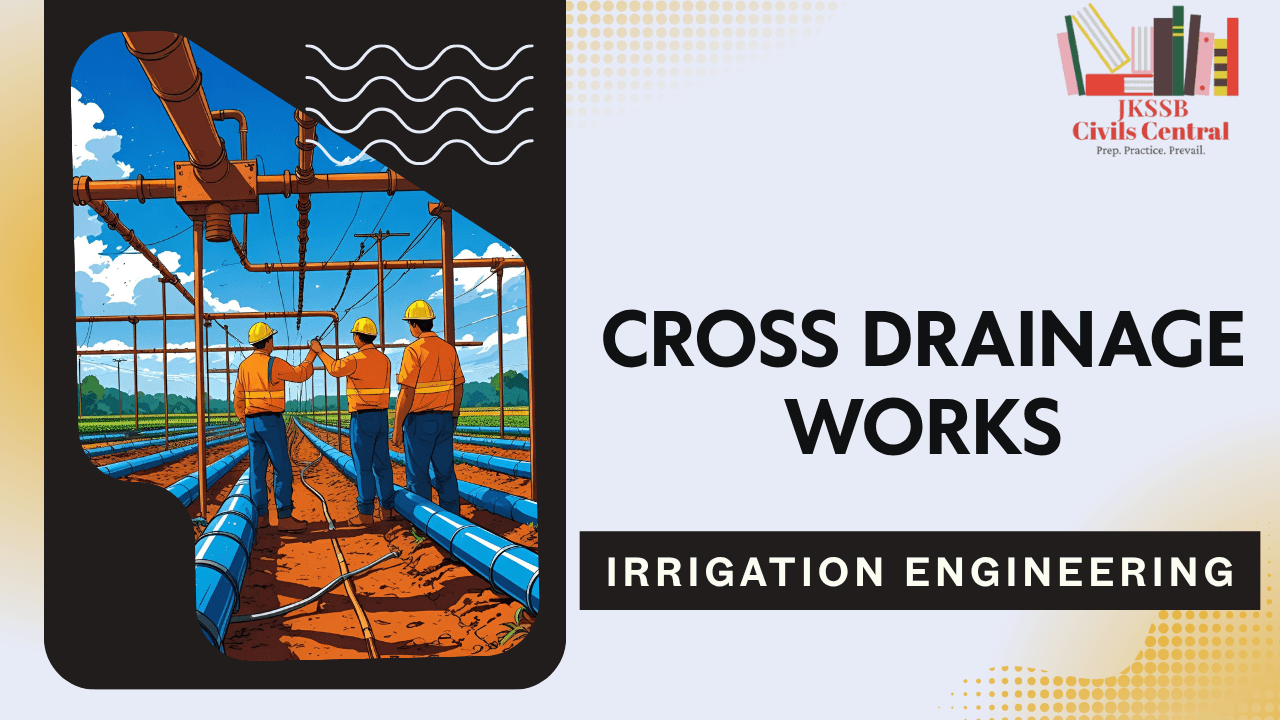
Aqueduct carrying irrigation canal over a natural drainage stream in a rural landscape
JE Civil

Cross Drainage Works in Irrigation Engineering – In-Depth Explanation

By Sahil Digra
0

🔷 What are Cross Drainage Works?

Cross Drainage Works (CDWs) are essential hydraulic structures that facilitate the crossing of a canal and a natural drainage channel (like a stream, river, or nallah) without causing any disruption to either flow. In hilly and undulating areas like Jammu & Kashmir, CDWs are very common due to the high frequency of terrain-induced stream crossings.


📌 Why Cross Drainage Works Are Needed

  1. Terrain Constraints:
    • In mountainous regions, natural streams often cut across the path of planned irrigation canals.
  2. To Prevent Damage:
    • Without proper CDWs, floodwaters from natural drains can overflow or erode the canal banks, causing major damage.
  3. To Ensure Uninterrupted Flow:
    • They allow both canal water and natural drain water to flow independently and without mixing, maintaining irrigation efficiency.
  4. To Protect Agricultural Land:
    • Prevents drainage water from flooding cultivated lands downstream of the canal.

🏗️ Types of Cross Drainage Works – With Detailed Examples

TypeCanal Level vs DrainageFunction & SuitabilityExample/Case
AqueductCanal above DrainCanal carried on masonry/concrete trough; Drain flows underneathSuitable when deep drains exist
Super PassageDrain above CanalDrain crosses over canal; canal in a trough belowSuitable in high rainfall areas
Level CrossingCanal & Drain at Same LevelProvided with regulators to manage flow of both streamsUsed where both flows are seasonal
Syphon AqueductCanal over Drain under PressureDrain passes below canal in a syphon barrel; canal remains at high levelHigh head available for canal
Syphon Super PassageDrain over Canal under PressureSimilar to above but drain flows in pressure conditionUsed when drainage discharge is high
Inlet & OutletDirect flow through CanalDrain enters canal at upstream side and exits downstream sideEconomical but risky; used in small flows

⚠️ Design Considerations for CDWs

  • Discharge Capacity of both canal and drainage.
  • Velocity of Flow in canal and stream.
  • Scouring and Silting Risks.
  • Hydraulic Gradient and Freeboard.
  • Structural Stability and foundation conditions.
  • Cost vs Utility: Some structures like aqueducts are costly but offer long-term benefits.

⚙️ Regulatory Works in Irrigation – Detailed Guide

🔷 Purpose of Regulatory Works

Regulatory works help to:

  • Control water levels within the canal system.
  • Distribute water efficiently across multiple branches.
  • Avoid overflow or breach conditions.
  • Manage water supply during periods of scarcity or excess.

🛠️ Types of Regulatory Structures – Explained

1. Head Regulator

  • Controls flow from river/reservoir into the canal.
  • Generally provided with gates and measuring devices.
  • Helps in controlling sediment entry and flow regulation.

2. Cross Regulator

  • Built across the main canal.
  • Maintains water level upstream of the structure to feed distributaries.
  • Prevents backflow from lower levels.

3. Distributary Head Regulator

  • Installed at the head of a branch or distributary canal.
  • Allows control over how much water enters a specific zone.
  • Useful for rotational water supply systems.

4. Canal Escape

  • A safety device to discharge surplus water from canal to natural drainage.
  • Located near the tail or downstream end of a canal section.
  • Prevents canal breaches and flooding of adjacent land.

5. Canal Fall (Drop Structures)

  • Used to manage excess bed slope in canal alignment.
  • Dissipates energy of flowing water.
  • Prevents scouring of canal bed in steep terrains.

📏 Design Principles for Regulatory Structures

  • Based on hydraulic gradient, water demand, and irrigation scheduling.
  • Should ensure minimum head loss and maximum safety.
  • Must include energy dissipating arrangements like stilling basins, baffle blocks, etc.

🔄 Difference Between Cross Drainage Works and Regulatory Works

FeatureCross Drainage WorksRegulatory Works
PurposeManage intersection of canal and drainageControl flow and level in the canal system
LocationWhere canal crosses a stream or nallahThroughout the canal network
ExamplesAqueduct, Super Passage, Syphon AqueductHead Regulator, Cross Regulator, Escape
Design PriorityIndependent flow of both streamsControlled and equitable water distribution
Common inHilly or undulating terrainAll canal irrigation systems

📚 Importance for JKSSB Civil Engineering Aspirants

  • Frequently asked in JKSSB JE Civil, AE Civil, and Irrigation Engineering exams.
  • Questions on definitions, types, advantages, differences, and suitability are common.
  • Understanding real-life application in J&K context (especially Chenab and Jhelum basin irrigation projects) gives an edge.

📌 Tips for Exam Preparation

  1. Memorize key definitions and types.
  2. Understand the conditions of suitability for each structure.
  3. Practice MCQs from previous year JKSSB papers.
  4. Draw simple labeled diagrams of each type.
  5. Prepare case studies/examples for better retention.

✅ Conclusion

Cross Drainage Works and Regulatory Works are fundamental components of an efficient irrigation system, especially in regions like Jammu and Kashmir where varied terrain and seasonal water flow demand careful water management. While cross drainage works ensure the smooth and uninterrupted crossing of canals and natural drains, regulatory works help in controlling, distributing, and safeguarding canal flows.

For JKSSB aspirants, understanding the purpose, types, design considerations, and practical applications of these structures is crucial for both theoretical and practical questions in civil engineering exams. A clear grasp of these topics not only helps in cracking objective questions but also strengthens one’s field knowledge for real-world irrigation projects.

By focusing on the differences, suitability conditions, and functional importance of each type, aspirants can gain a strong edge in their preparation and practical understanding of irrigation engineering.

About The Author

Sahil Digra

See author's posts

Tags:

AqueductCanal Regulationcanal structuresCross Drainage WorksCross RegulatorHead RegulatorIrrigation EngineeringIrrigation StructuresJKSSB CivilJKSSB Exam PreparationRegulatory WorksSuper PassageSyphon AqueductWater Management in Irrigation
Author

Sahil Digra

Follow Me
Other Articles
Canal headworks structure with gates controlling water flow from river into irrigation canal
Previous

Canal Headworks and Regulatory Works in Irrigation Engineering – Complete Guide for JKSSB Aspirants

Various hydraulic structures including dam, canal headworks, and spillway used in irrigation systems
Next

Hydraulic Structures in Irrigation Engineering – A Detailed Guide for JKSSB Aspirants

No Comment! Be the first one.

    Leave a Reply Cancel reply

    Your email address will not be published. Required fields are marked *

    Recent Posts

    • Sultanate Administration and Economy in Medieval Kashmir
    • Shah Mir Dynasty: Foundation, Major Sultans and Political Consolidation
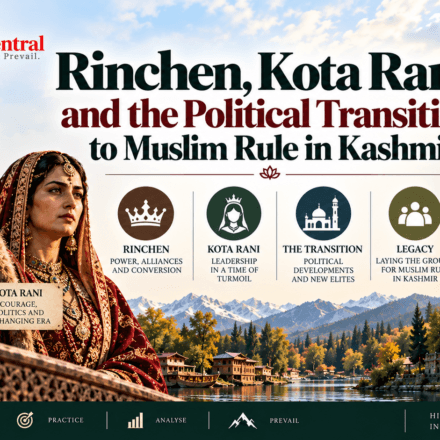
    • Rinchen, Kota Rani and the Political Transition to Muslim Rule in Kashmir
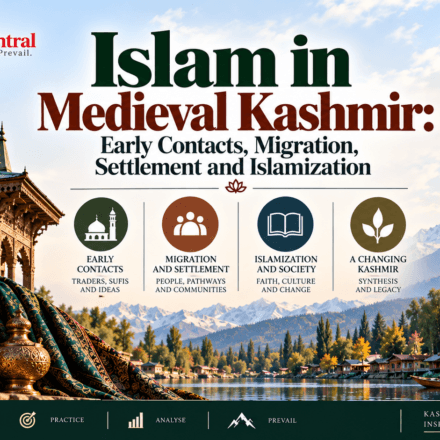
    • Islam in Medieval Kashmir: Early Contacts, Migration, Settlement and Islamization
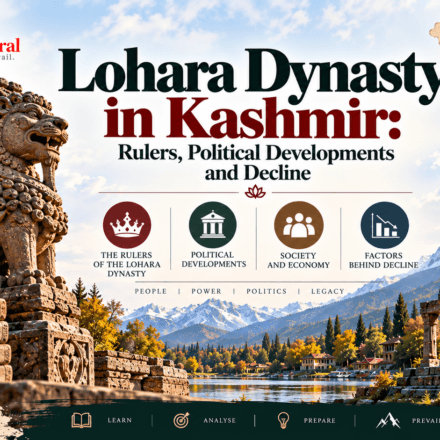
    • Lohara Dynasty in Kashmir: Rulers, Political Developments and Decline
    jkssb.Civilscentral.com
    • Sultanate Administration and Economy in Medieval Kashmir
    • Shah Mir Dynasty: Foundation, Major Sultans and Political Consolidation
    • Rinchen, Kota Rani and the Political Transition to Muslim Rule in Kashmir
    • Islam in Medieval Kashmir: Early Contacts, Migration, Settlement and Islamization
    • Lohara Dynasty in Kashmir: Rulers, Political Developments and Decline

    You May Have Missed

    Sultanate Administration and Economy in Medieval Kashmir
    Medieval J&K Premium J&K History Series

    Sultanate Administration and Economy in Medieval Kashmir

    Rohit Thapa
    By Rohit Thapa
    September 24, 2026
    Shah Mir Dynasty Foundation, Major Sultans and Political Consolidation
    Medieval J&K Premium J&K History Series

    Shah Mir Dynasty: Foundation, Major Sultans and Political Consolidation

    Rohit Thapa
    By Rohit Thapa
    September 22, 2026
    Rinchen, Kota Rani and the Political Transition to Muslim Rule in Kashmir
    Medieval J&K Premium J&K History Series

    Rinchen, Kota Rani and the Political Transition to Muslim Rule in Kashmir

    Rohit Thapa
    By Rohit Thapa
    September 22, 2026
    Islam in Medieval Kashmir Early Contacts, Migration, Settlement and Islamization
    Early Medieval J&K Premium J&K History Series

    Islam in Medieval Kashmir: Early Contacts, Migration, Settlement and Islamization

    Rohit Thapa
    By Rohit Thapa
    September 22, 2026
    Lohara Dynasty in Kashmir Rulers, Political Developments and Decline
    Early Medieval J&K Premium J&K History Series

    Lohara Dynasty in Kashmir: Rulers, Political Developments and Decline

    Rohit Thapa
    By Rohit Thapa
    September 22, 2026
    Queen Didda and the Lohara Dynasty Power, Politics and the Transition to Lohara Rule
    Early Medieval J&K Premium J&K History Series

    Queen Didda and the Lohara Dynasty: Power, Politics and the Transition to Lohara Rule

    Rohit Thapa
    By Rohit Thapa
    September 22, 2026
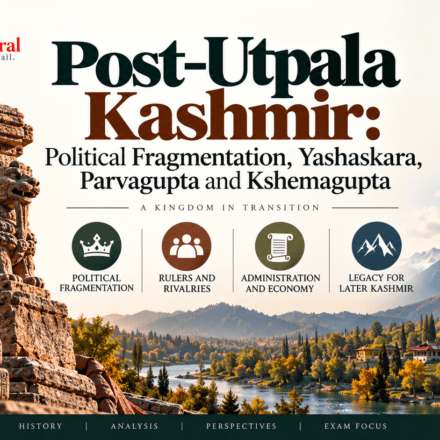
    Post-Utpala Kashmir Political Fragmentation, Yashaskara, Parvagupta and Kshemagupta
    Early Medieval J&K Premium J&K History Series

    Post-Utpala Kashmir: Political Fragmentation, Yashaskara, Parvagupta and Kshemagupta

    Rohit Thapa
    By Rohit Thapa
    September 22, 2026
    Shankaravarman and the Later Utpala Period Expansion, Fiscal Pressure and Political Instability
    Early Medieval J&K Premium J&K History Series

    Shankaravarman and the Later Utpala Period: Expansion, Fiscal Pressure and Political Instability

    Rohit Thapa
    By Rohit Thapa
    September 19, 2026
    Utpala Dynasty in Kashmir Avantivarman, Suyya and the Agrarian-Hydraulic Transformation
    Early Medieval J&K Premium J&K History Series

    Utpala Dynasty in Kashmir: Avantivarman, Suyya and the Agrarian-Hydraulic Transformation

    Rohit Thapa
    By Rohit Thapa
    September 18, 2026
    • Sultanate Administration and Economy in Medieval Kashmir
    • Shah Mir Dynasty: Foundation, Major Sultans and Political Consolidation
    • Rinchen, Kota Rani and the Political Transition to Muslim Rule in Kashmir
    • Islam in Medieval Kashmir: Early Contacts, Migration, Settlement and Islamization
    • Lohara Dynasty in Kashmir: Rulers, Political Developments and Decline
    • About us
    • Candidate Dashboard
    • Contact Us
    • Disclaimer
    • Privacy Policy
    • Terms and Conditions
    • Typing Practice
    Copyright 2026 — JKSSB-CivilsCentral. All rights reserved.