
Introduction
The agricultural sector in Jammu and Kashmir serves as the foundational pillar of the region’s socio-economic fabric, providing a livelihood to approximately 80 percent of its population and contributing nearly one-fifth of the Gross State Value Added (GSVA).
For aspirants of the Jammu and Kashmir Services Selection Board (JKSSB), understanding this sector is not merely an academic requirement but a prerequisite for comprehending the region’s economic geography and political history. The agricultural narrative of the Union Territory is defined by a transition from traditional subsistence farming to high-value commercial horticulture, underpinned by the most radical land reforms in the Indian subcontinent and currently revitalized by the Holistic Agriculture Development Programme (HADP).
The Macro-Economic and Geographical Framework of Agriculture
The primary sector, encompassing agriculture and allied activities, remains the most significant employer in Jammu and Kashmir. Despite the geographical constraints imposed by the mountainous terrain, the sector demonstrates remarkable resilience. As per the Economic Survey 2024-25, the real Gross State Domestic Product (GSDP) of Jammu and Kashmir is projected to grow at a robust rate of 7.06 percent, with the nominal GSDP estimated at approximately Rs 2.65 lakh crore. The primary sector’s contribution of 20 percent to the GSVA is a testament to its enduring relevance even as the tertiary sector expands to 61.7 percent.
The total geographical area under cultivation is relatively small, at approximately 3.3 percent, due to the prevalence of forested mountains, rugged topography, and vast cold deserts in the northern reaches. Of the cultivated land, nearly 60 percent is rainfed, which introduces a level of vulnerability to moisture stress and climatic variability. This vulnerability is managed through an intricate system of canal irrigation, which accounts for over 60.8 percent of the net irrigated area, largely fed by the region’s perennial rivers.
Sectoral Distribution and Economic Indicators (2024-25 Projections)
| Sector | Contribution to GSVA (%) | Growth Rate (Real GSDP) |
| Primary Sector | 20.00% | 7.06% (Total GSDP) |
| Secondary Sector | 18.30% | — |
| Tertiary Sector | 61.70% | — |
| Per Capita Income (J&K) | Rs 1,54,703 | 10.6% Growth |
The stability of agricultural output is critical for managing inflation, which in Jammu and Kashmir stood at 4.5 percent in 2024, slightly lower than the national average of 5 percent. Furthermore, the unemployment rate in the Union Territory has recorded a dip to 6.1 percent in 2023-24, partly due to the employment opportunities generated within the evolving agro-horticultural value chains.
Agro-Climatic Zoning: The Geo-Climatic Determinants of Productivity
Jammu and Kashmir is classified under the High Altitude Temperate Sub-zone of Agro-Climatic Zone-I (Western Himalayan Region). However, the internal diversity is so vast that the region is subdivided into three distinct agro-climatic zones: Jammu, Kashmir, and Ladakh. Each zone possesses unique geo-climatic conditions that dictate its specific cropping patterns and agricultural potential.
The Jammu Zone: Subtropical and Intermediate
The Jammu region comprises subtropical plains and intermediate mountain ranges. The climate here is primarily monsoonal, with the summer months seeing temperatures in Jammu city soaring up to 40 °C. Rainfall is heavy but often erratic during July and August, reaching monthly extremes of 650 mm. This region is the powerhouse for cereal production, dominating the state’s output in both maize and wheat. In irrigated areas, a rice-wheat cropping system is prevalent, whereas rainfed areas rely heavily on maize-wheat rotations.
The Kashmir Zone: Temperate and High Altitude
The Kashmir Valley is a high-altitude temperate basin characterized by cold winters and mild summers. Unlike the Jammu region, its precipitation is significantly influenced by Western Disturbances, with Srinagar receiving around 635 mm of annual rainfall, peaking between March and May. The Valley’s agriculture is predominantly horticulture-based, specializing in temperate fruits like apples, walnuts, and apricots. Rice is the staple cereal crop of the Kashmir zone, often followed by oilseeds like mustard in a double-cropping system.
The Ladakh Zone: Cold Arid Desert
Accounting for nearly two-thirds of the geographical area of the erstwhile state, Ladakh is a cold arid region with extremely low humidity and sparse annual precipitation of approximately 100 mm. The winters are severe, with temperatures in the Zanskar region dropping to as low as -40 °C. Agriculture in this zone is restricted to narrow river valleys where snowmelt provides the necessary irrigation. Barley is the primary cereal crop, followed by wheat and specialized high-altitude horticultural products like the Raktsey Karpo apricot.
Pedological Profile: Soils and their Agricultural Utility
The productivity of crops in Jammu and Kashmir is inextricably linked to the diverse soil types found across its varied landscapes. For JKSSB aspirants, understanding the nomenclature and characteristics of these soils is crucial, as they are frequently the subject of examination questions.
Alluvial Soils
Found predominantly in the plains of Jammu (Kathua, Samba, Jammu districts) and the riverine tracts of the Kashmir Valley, these soils are highly fertile and suitable for a variety of crops, including rice and wheat. In Jammu, they are often referred to as ‘loamy’ or ‘sandy-loam’ soils.
Karewa Soils (Wudars)
The Karewa formations are unique to the Kashmir Valley and represent lacustrine deposits (lake-bed sediments) from the Pleistocene period. These flat-topped tablelands are exceptionally fertile and are the exclusive sites for Saffron cultivation, particularly in the Pampore region. They are also highly conducive to the growth of almonds and walnuts.
Montane and Forest Soils
These are found in the hilly tracts of both divisions. They are rich in organic matter due to the decomposition of forest litter but are often prone to erosion. They support maize and fruit trees.
Saline and Alkaline Soils
In some parts of the Ladakh region and localized pockets of the Jammu plains, the accumulation of salts due to high evaporation or poor drainage leads to the formation of these soils, which require specific reclamation measures for agriculture.
The Seasonal Rhythms: Kharif and Rabi Cycles
The agricultural calendar in Jammu and Kashmir is traditionally divided into two main seasons: Kharif (the summer crop) and Rabi (the winter crop). The timing of these seasons varies slightly between the Jammu and Kashmir divisions due to differences in temperature and precipitation.
The Kharif Season
Kharif crops are typically sown with the onset of the monsoon (June-July) in Jammu and with the spring thaw (April-May) in Kashmir. They are harvested in late autumn (September-October).
- Major Kharif Crops: Rice (the staple of the Valley), Maize (the staple of the hilly regions), and various pulses like Rajmash.
The Rabi Season
Rabi crops are sown in October-November as the temperatures begin to drop and are harvested in the following spring (April-May).
- Major Rabi Crops: Wheat (predominant in Jammu), Barley, Mustard (Kashmir’s major oilseed), and various fodder crops like oats.
| Season | Sowing Period | Harvesting Period | Key Crops |
| Kharif | April/May (Kashmir) | September/October | Rice, Maize, Saffron, Rajmash |
| Rabi | October/November | April/May | Wheat, Mustard, Barley, Oats |
Major Food Crops: Production, Productivity, and Constraints
The trio of rice, maize, and wheat accounts for approximately 84 percent of the total cropped area in Jammu and Kashmir. The remaining area is shared by pulses, oilseeds, and “inferior” cereals like millets (now promoted as ‘Shree Anna’ under modern schemes).
Rice: The Chief Cereal of Kashmir
Rice is cultivated on approximately 0.3 million hectares, ranging from high-altitude upland conditions to the irrigated plains. The state average productivity is about 2 tonnes per hectare, though this varies significantly by region. In the Kashmir Valley, short-duration, cold-tolerant varieties are preferred to avoid the onset of early winters during the grain-filling stage.
- Key Varieties: Koshar, Shalimar Rice 1, K 332, K 429 (for high altitudes); Jhelum and Chenab (for the plains).
- Constraints: Low temperatures during flowering, widespread deficiencies in phosphorus and zinc, and the prevalence of rice blast disease.
Maize: The Lifeline of the Highlands
Maize is the primary crop in the rainfed hilly districts of Jammu, such as Poonch, Rajouri, and Doda. In Poonch, maize is cultivated over 24,000 hectares with yields as high as 60-65 quintals per hectare. It is a staple food for many nomadic and hill communities and is increasingly being exported for cattle feed production.
Wheat: The Rabi Anchor of Jammu
Wheat is the dominant winter crop of the Jammu division. Its cultivation in the Kashmir Valley is limited due to the long duration of snow cover, though it remains a significant part of the double-cropping system in areas with early snowmelt.
Saffron: The Golden Niche
Kashmir Saffron, grown in the Karewa soils of Pampore, is globally unique for its high crocin content. It was granted a Geographical Indication (GI) tag in 2020. Cultivation involves a long growth cycle, with the purple flowers harvested in late autumn. The National Saffron Mission was launched to address dwindling yields caused by climate change and lack of irrigation.
Horticulture: The Green Gold of Jammu and Kashmir
Horticulture is the most dynamic segment of the Union Territory’s economy, supporting over 2.7 million people. The region produces nearly 75 percent of India’s temperate fruits, with apple being the dominant product.
The Apple Economy
Apple is cultivated on over 1.08 lakh hectares, with an annual production of approximately 1.1 million tonnes. For years, the sector was characterized by low-density planting and senile (old) orchards, leading to stagnant productivity.
- Modern Shift: Under the HADP and the High-Density Plantation Scheme, the government is incentivizing the replacement of traditional orchards with high-density varieties using MM 106 rootstocks. This shift can increase productivity from 10 tonnes to 35 tonnes per hectare.
- Value Chain Development: The establishment of Controlled Atmosphere (CA) storage facilities and scientific grading units has reduced post-harvest losses and allowed growers to sell their produce during the off-season for higher profits.
Niche Horticultural Products
- Walnuts: Known for their superior taste and high oil content, Kashmiri walnuts are a major export item.
- Apricots: Ladakh’s Raktsey Karpo apricot, with its white kernel and matchless sweetness, is a recently GI-tagged specialty.
- Almonds and Cherries: J&K is a leading producer of these temperate fruits in India, with high demand in national and international markets.
The Socio-Economic Transformation: Land Reforms in Jammu and Kashmir
The contemporary agricultural structure of Jammu and Kashmir is a direct result of radical land reforms implemented shortly after 1947. These reforms are considered the most successful and far-reaching in the Indian subcontinent, as they completely dismantled the feudal “Jagirdari” and “Zaildari” systems without paying any compensation to the former landlords.
The Big Landed Estates Abolition Act, 1950 (BLEAA)
Passed during the administration of Sheikh Mohammad Abdullah, the BLEAA (also known as the “Magna Carta” of J&K’s peasantry) aimed to remove intermediaries and transfer land to the actual tillers.
- Key Provisions: The Act fixed a ceiling on land holdings at 22.75 acres (182 kanals). Any land held in excess of this ceiling was expropriated by the state and redistributed among landless tillers and agricultural laborers.
- No Compensation Clause: Unique to J&K, the state refused to pay compensation to the landlords, arguing that the landlord system was inherently exploitative and that neither the state nor the peasantry owed them anything.
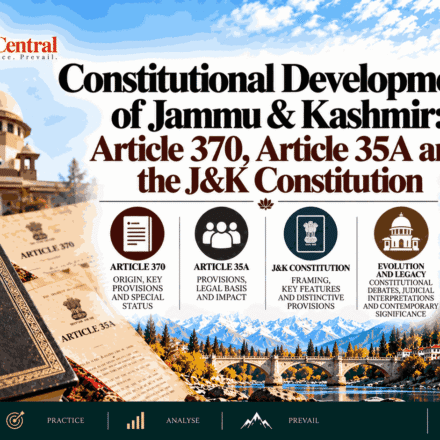
- Legal Protection: These reforms were protected by the state’s special status under Article 370 and Article 35A, which prevented their annulment by the right to property as it existed in the Indian Constitution at the time.
The Jammu and Kashmir Agrarian Reforms Act, 1976
This Act represented the second phase of reforms, further reducing the land ceiling from 22.75 acres to 12.50 standard acres. Its primary goal was to eliminate any remaining vestiges of absentee landlordism and ensure that the “land to the tiller” principle was absolute.
Socio-Economic Impact and HDI Success
The redistribution of land transformed J&K into an egalitarian society. By 1970, J&K alone accounted for nearly half of the total land redistributed across all of India.
- Poverty Reduction: The incidence of poverty dropped significantly. Currently, J&K has one of the lowest percentages of the population living below the poverty line (10% vs. 22% national average).
- Indebtedness: J&K has the second-lowest incidence of rural indebtedness in India.
- Human Development: Economists like Jean Dreze attribute J&K’s high Human Development Index (HDI) scores—standing at 0.53 in 2011 compared to the national average of 0.47—to the widespread ownership of land, which provided a safety net for the rural population.
Modern Regulatory Shifts: Land Laws Post-2019
The revocation of Article 370 on August 5, 2019, and the subsequent J&K Reorganisation Act led to the repeal or modification of many historic land laws. For aspirants, these current affairs updates are high-priority.
Repeal of Historic Acts
The Big Landed Estates Abolition Act, 1950, and the J&K Alienation of Land Act, 1938, were repealed in October 2020. The primary change was the removal of the “permanent resident” requirement for land ownership, allowing any individual from across India to purchase land in the Union Territory, although protections for agricultural land remain in place through the J&K Land Revenue Act.
New Land Grant Rules and Strategic Areas
The J&K Land Grant Rules-2022 ended the automatic renewal of land leases for commercial properties, hotels, and shopping complexes. Instead, these leases are now auctioned online to ensure market-competitive revenue for the government. Additionally, the government can now declare certain locations as “Strategic Areas” for the direct operational and training requirements of the armed forces.
The Holistic Agriculture Development Programme (HADP): A 2024-2030 Blueprint
The HADP is the most ambitious sectoral reform launched in the recent history of Jammu and Kashmir. With a total outlay of Rs 5,013 crore, the programme consists of 29 interlinked projects designed to shift agriculture from subsistence-based farming to commercially viable enterprises.
Objectives and Framework
HADP aims to double the agricultural output of the region, boost exports, and double the income of farmers. It utilizes a technology-driven delivery model through portals like Kisan Sathi (for applications), Daksh Kisan (for skilling), and Kisan Khidmat Ghars (as IT-enabled service centers at the panchayat level).
Key Projects under HADP
| Project No. | Project Name | Focus Areas |
| P1 | Seed and Seed Multiplication | Creating a PPP-mode seed chain |
| P2 | Promotion of Niche Crops | Saffron, Kala Zeera, Mushqbudji Rice |
| P3 | Vegetable/Exotic Veg Promotion | Hi-tech polyhouses and year-round production |
| P5 | Medicinal and Aromatic Plants | Commercial lavender and rosemary cultivation |
| P6 | Promotion of Apiculture | Tripling honey production and by-products |
| P10 | Mushroom Cultivation | Year-round mushroom sheds and canning units |
| P21 | Orchard Rejuvenation | High-density plantation of apples and walnuts |
| P23 | Dairy Development | Self-sufficiency in milk production |
| P24 | Self-Sufficiency in Mutton | Enhancing local mutton production to reduce imports |
Early Impact and Successes
As of January 2026, over 92,000 productive units have been established across the Union Territory. These units have generated nearly Rs 350 crore in revenue and Rs 125 crore in profit for the unit holders. The programme has created over 1.9 crore person-days of employment, illustrating its role as a key engine of rural livelihoods.
The Purple Revolution: Aroma Mission in Jammu and Kashmir
The “Purple Revolution” is a flagship initiative under the CSIR-Aroma Mission that has transformed the agricultural landscape of the Doda district, particularly the Bhaderwah region.
From Maize to Lavender
Farmers in Bhaderwah have shifted from traditional crops like maize to lavender because of its high profitability and resilience. While traditional grains might yield a profit of roughly Rs 40,000 per hectare, lavender can generate up to Rs 3.5 to Rs 6 lakh from the same area.
- Climate Resilience: Lavender requires less water and fewer fertilizers, making it ideal for the hilly, dry tracts of J&K.
- Start-up Model: The initiative has given rise to a new genre of agri-startups. Doda is now recognized as the “Lavender Capital of India”.
- Challenges: In 2025-26, growers have raised concerns regarding the influx of cheaper imported lavender oil and have urged the government to increase import duties to protect the domestic “Purple Revolution”.
Geographical Indications (GI Tags): Protecting J&K’s Traditional Assets
GI tags are intellectual property rights that recognize products originating from a specific geographical location, having qualities or a reputation due to that origin. Jammu and Kashmir has been highly proactive in securing these tags to prevent unauthorized use and to enhance market value.
Registered GI Products as of 2024-2025
| Product Name | Category | Unique Feature |
| Kashmir Saffron | Agriculture | High crocin content and deep aroma |
| Mushqbudji Rice | Agriculture | Aromatic short-grain rice from Anantnag |
| Bhaderwah Rajmash | Agriculture | Smaller, sweeter, and nuttier kidney beans |
| Ramban Sulai Honey | Agriculture | Light golden honey from Acacia flowers |
| Ramban Anardana | Agriculture | Dried seeds of wild pomegranate |
| Ladakh Raktsey Karpo | Agriculture | White-kernel apricot from Ladakh |
| Kashmir Pashmina | Handicraft | Ultra-fine wool from Changthangi goats |
| Kani Shawl | Handicraft | Woven using ‘Kanis’ or wooden spokes |
| Basohli Painting | Handicraft | Miniature paintings with vibrant folk themes |
| Khatamband | Handicraft | Geometrical wooden ceilings without nails |
Current efforts are underway to secure GI tags for the Gucci Mushroom (Morchella), a high-value wild fungus collected from the forests of J&K.
Challenges and Constraints in J&K’s Agriculture
While the sector is witnessing a revival, several structural constraints continue to limit its full potential. For JKSSB aspirants, identifying these constraints is key for “analytical type” questions.
Moisture Stress and Rainfed Dependence
With 60 percent of the area being rainfed and climate change causing erratic rainfall patterns, water management remains the biggest hurdle. Snowmelt, which traditionally fed the irrigation canals, is becoming less predictable due to receding glaciers.
Lack of Post-Harvest Infrastructure
Historically, the absence of modern cold chains and scientific grading meant that much of the produce (especially fruits) reached the market in poor condition. While HADP is addressing this, the gap between production and storage capacity remains significant.
Fragmented Landholdings
The land reforms of the 1950s, while socially beneficial, resulted in millions of small, fragmented holdings. Small land sizes make it difficult for individual farmers to adopt modern mechanization or achieve economies of scale.
Low Input Use and Soil Deficiencies
Productivity is often hindered by the low use of balanced fertilizers and widespread micro-nutrient deficiencies (Zinc, Boron, Phosphorus) in the soils of both the Jammu and Kashmir divisions.
Future Outlook: Technology and Resilience
The future of agriculture in Jammu and Kashmir is undeniably linked to the integration of technology and the shift toward high-value, niche products. The successful dispatch of railway-borne apple consignments and the growth of e-NAM transactions—reaching over Rs 670 crore in 2025—indicate a deepening integration with the national market.
The focus is now shifting toward “Sensor-based Smart Agriculture” and “Minimizing Pesticide Use” under Projects 17 and 18 of the HADP. By combining traditional knowledge (like Saffron and Rajmash cultivation) with modern scientific interventions (like high-density plantation and aroma-based startups), Jammu and Kashmir is positioning itself as a leader in Himalayan agriculture.
For aspirants, the agricultural story of J&K is a narrative of resilience—from a feudal past to an egalitarian present, and now toward a commercially vibrant future. Mastering the details of major crops, the legislative nuances of land reforms, and the current milestones of the HADP will provide a significant advantage in any competitive examination focused on the region.
About The Author